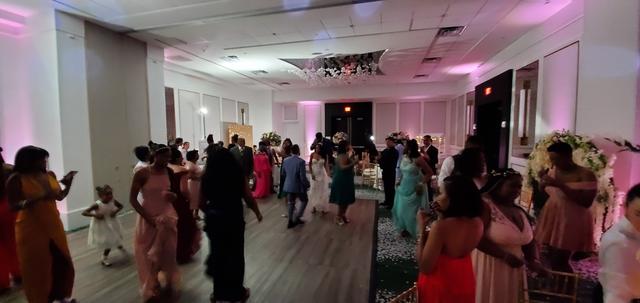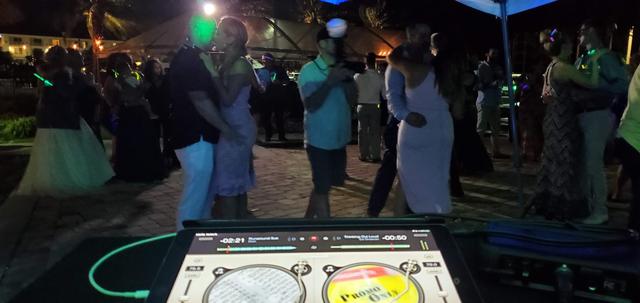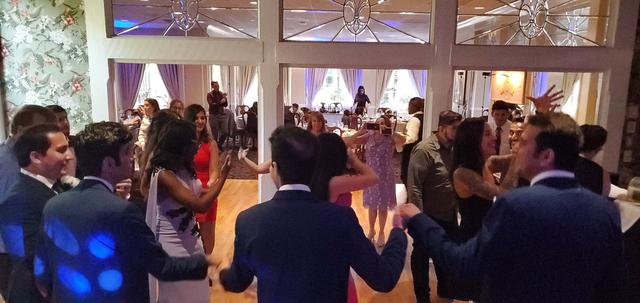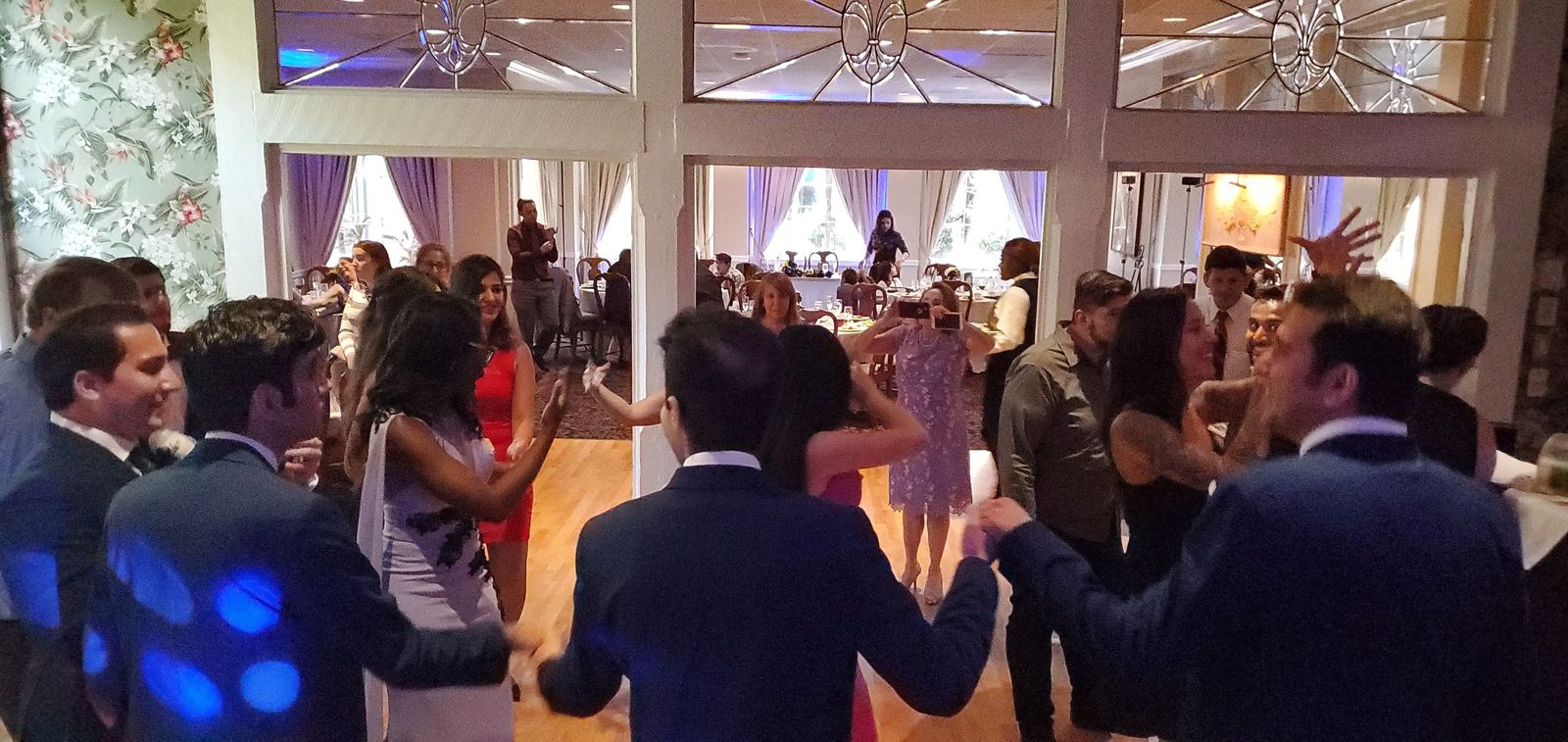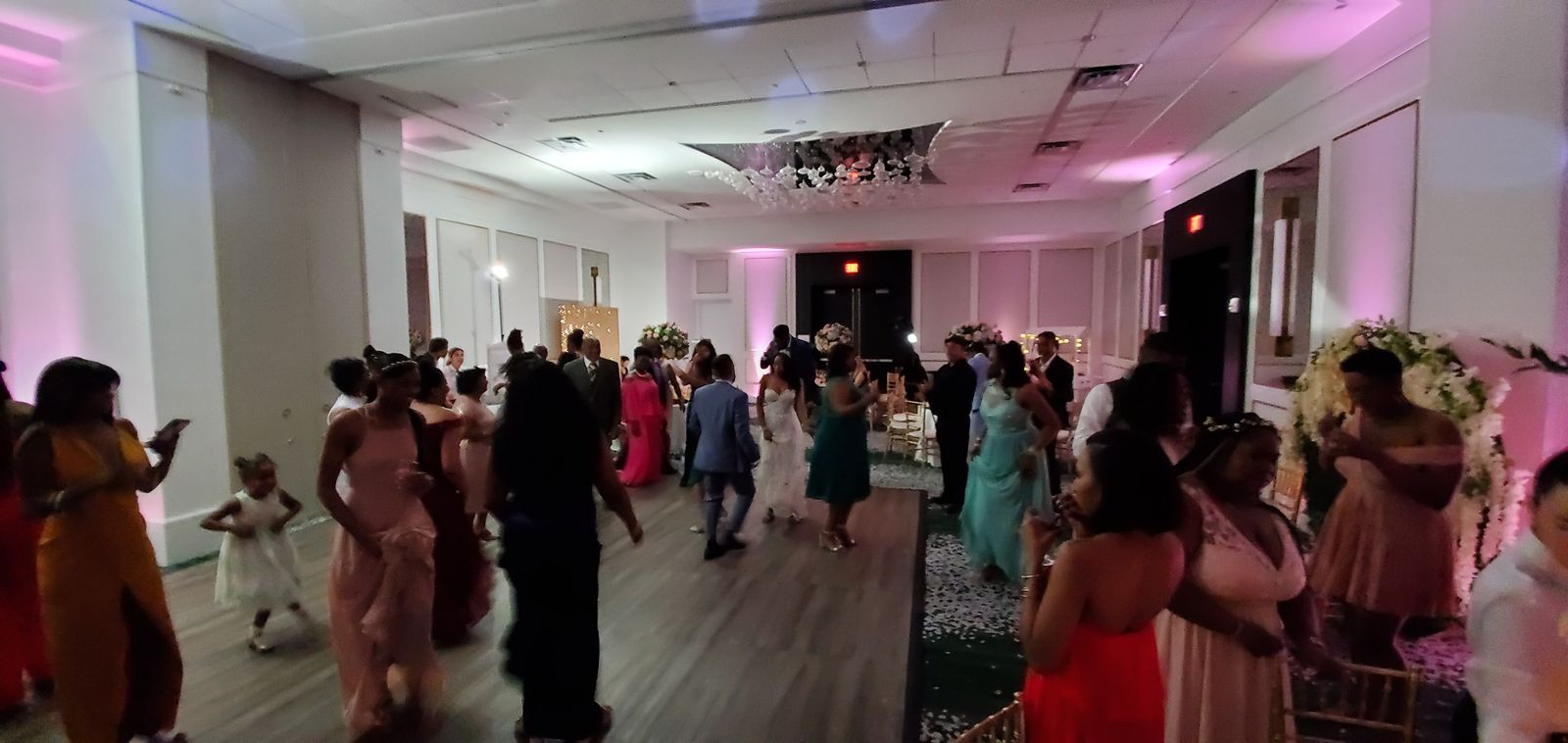
Uplighting is one of the most cost-effective ways to transform a reception venue. A handful of LED fixtures on the floor, washing walls and columns with color, can make a plain ballroom feel like a different room. But which color? This guide covers what each color communicates, how to build a palette, and how to make sure your photos look as good as the room.
Why color matters
Light color changes how a room feels. Warm colors feel intimate and romantic; cool colors feel modern and dramatic; saturated colors feel like a party. Color also affects how people look. Some tones flatter skin, others don't. And it affects photos: your photographer will be working with whatever color is on the walls behind you.
The colors, one by one
Amber and warm white. Candlelight-like warmth. Classic, romantic and universally flattering. Ideal for dinner and for historic or elegant venues.
Champagne and gold. Luxurious and celebratory without being loud. Pairs well with neutral decor and metallic accents.
Blush and soft pink. Romantic and soft, hugely popular with spring and garden palettes. Flattering on skin.
Magenta and hot pink. Bold and fun. A favorite for dance floors and parties, and for tropical or Miami-style weddings.
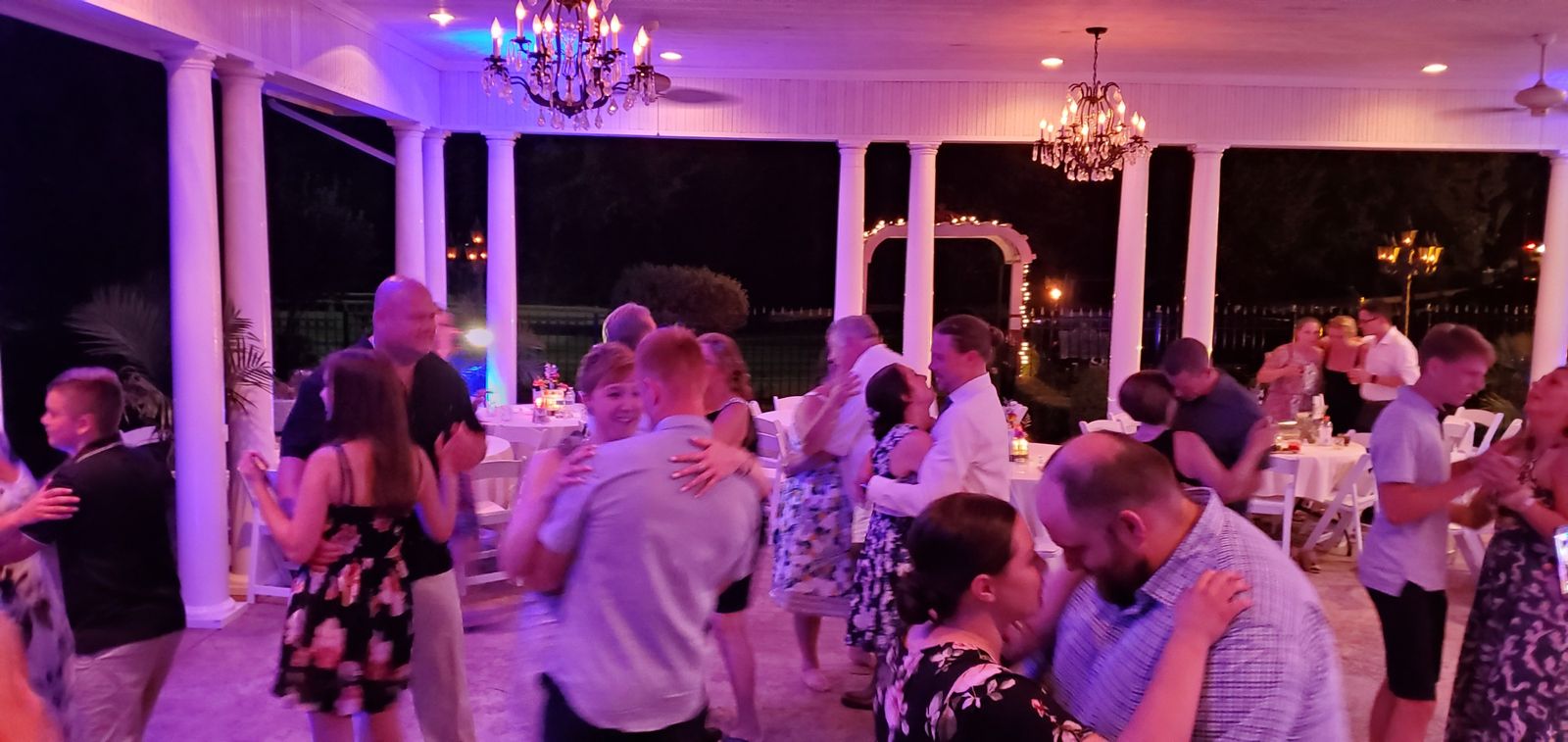
Purple and lavender. Regal and dramatic. Deep purple works beautifully in ballrooms; lavender is softer and suits spring weddings.
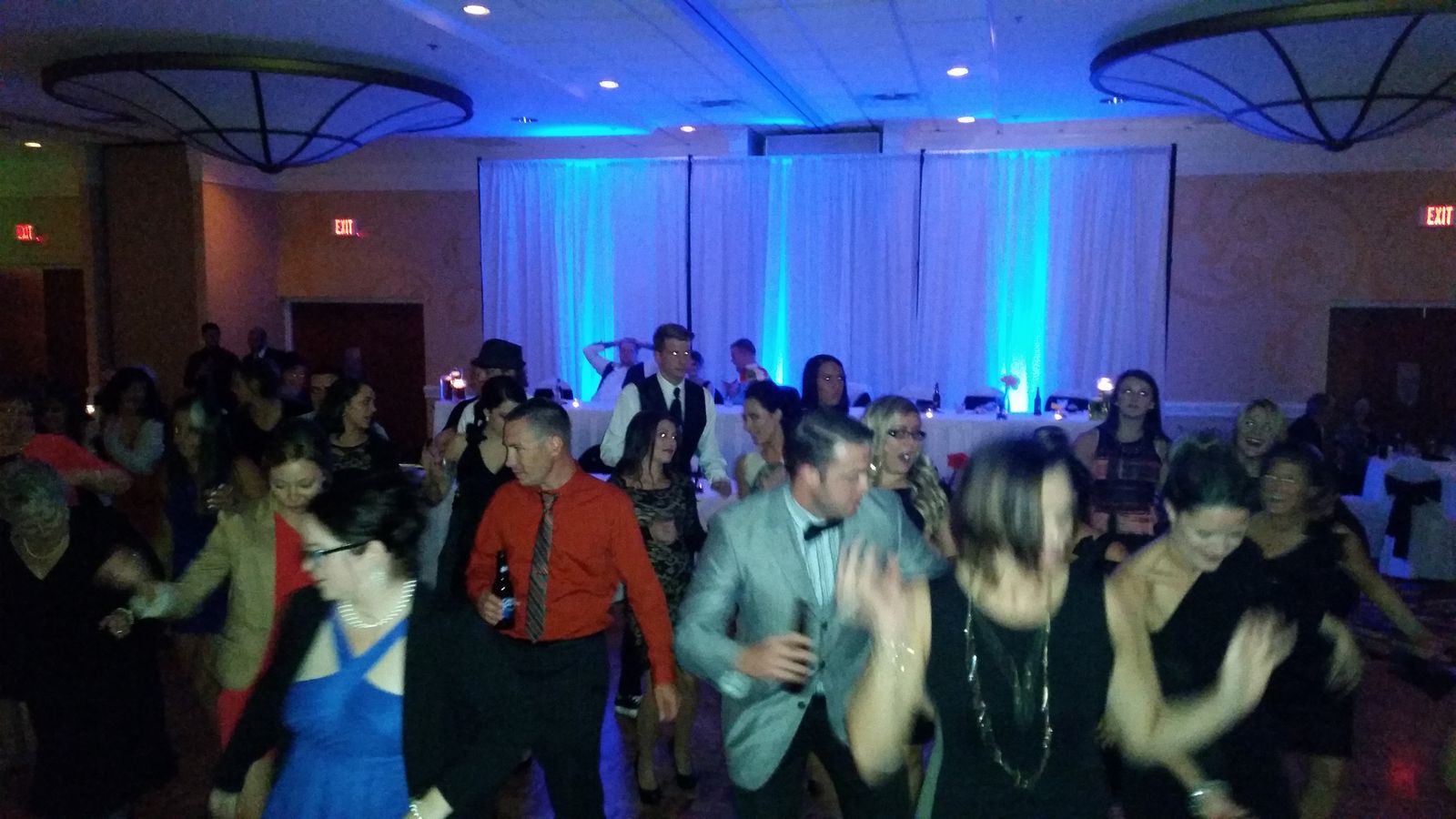
Blue. Ranges from icy and elegant to deep and nightclub-like. Ocean blues are a natural fit for coastal weddings. Very saturated blue can look cold on skin, so it's often better for walls away from the head table.
Teal and turquoise. Tropical and fresh, great for beach-inspired weddings.
Red. Passionate and dramatic, but strong. Use sparingly or for specific accents, as it can overwhelm a room and photographs intensely.
Green. Rarely used alone, but soft greens can complement garden and greenery decor.
Building a palette
- Start with one accent color from your flowers, bridesmaid dresses or invitations. Don't try to match every shade.
- Consider the venue. Neutral walls take color beautifully. Dark wood absorbs light, and colored walls mix with your light (blue light on yellow walls looks green!).
- Two-color looks add depth: alternating fixtures, or one color on columns and another on walls.
- Keep the head table flattering. Warm tones near where you'll sit and be photographed most.
Popular palettes
- Classic romance: amber + champagne.
- Garden party: blush + soft white.
- Coastal: ocean blue + turquoise.
- Tropical Miami: magenta + teal.
- Black-tie: deep purple + warm white.
- Modern minimal: single cool white or icy blue.
Changing colors through the night
LED uplighting can change between parts of the evening. A popular approach: warm, soft colors for dinner and toasts, then deeper, saturated colors when the dance floor opens. It signals to guests that the party has started, without anyone saying a word. Pair this with dance-floor lighting for a full transformation.
Photography tips
- Tell your photographer your colors in advance so they can plan.
- Avoid very saturated colors right behind faces if you want natural skin tones in portraits.
- Warm tones photograph easiest, while bold colors look amazing in wide dance-floor shots.
- Let the photographer take a few test shots during setup.
What uplighting can't do
Uplighting works best indoors, where there are walls and columns for the light to land on. Our package is designed for indoor venues. Outdoors there's nothing to reflect the light. Ask about covered structures and tents.
Matching colors to your venue
The same color can look very different from one room to the next. Before you lock in a palette, think about the space:
- White or cream walls show color most accurately. Almost any palette works, and saturated colors look bold.
- Wood paneling and warm-toned walls shift colors toward amber. Warm palettes look rich, while cool blues can turn greenish or muddy.
- Dark walls absorb light. Brighter, more saturated colors tend to show up best.
- Drapes and fabric catch uplighting beautifully and give a soft glow.
- Tents reflect color across the whole ceiling, so a little color goes a long way.
- Outdoors, uplighting is most effective on trees, columns or building facades after dark.
Uplighting also interacts with the room's other lighting. If the venue has bright overhead lights or chandeliers, ask whether they can be dimmed once the reception starts, because uplighting looks its best in a darker room. If you're unsure how a color will look, send us photos of your venue and we'll talk it through.
Our uplighting package
Starlight's uplighting package includes ten lights in any color you'd like, set up and taken down by us: $400, or $300 with a DJ package. See it in action in our gallery.
Call or text (561) 464-7203 or request a quote with your colors.